Reaper build log · Part 5
The maiden flight
370 MPHI flew my $13,000 world-record (500+ mph) RC airplane that I built in my college dorm. This is Part 5 — the first flight.
01The build
Since February, I’ve been designing Reaper, an aircraft that carries a 250 N turbojet engine, entirely from scratch. I’ve documented the process of engineering the airframe, securing sponsorships from Anduril Industries, Ansys, Jetcat, TRACTIAN, and AutomationDirect, molding and assembling the carbon fiber airframe, subscale testing, and now, flying for the first time.
02The venue scramble
Initially, the plan was to test Reaper in Texas. When those plans fell through last-minute, I got on Google Maps and started clicking through any large farms that had a contact number listed, cold calling to ask if I could test there as soon as possible. I struck gold with a farm in rural Georgia, 4 hours away.
03Flight — 370 mph
On Sunday, after another 4 hour drive, we successfully launched the plane on its maiden flight. GPS data has Reaper hitting 370 mph (600 km/h) at ~70% throttle while remaining stable and easy to fly. Reaper safely landed after ~5 minutes in the air.
# maiden flight · rural georgia
$ reaper telemetry --flight 01 --export gps
event launch rail: 30ft aluminum
speed 370 mph (600 km/h)
throttle 70 %
stab nominal "stable and easy to fly"
dur ~5 min
recovery "landed safely"
$ next --venue mojave --goal 500mph04The footage
The maiden flight and the landing, straight off the range in rural Georgia.
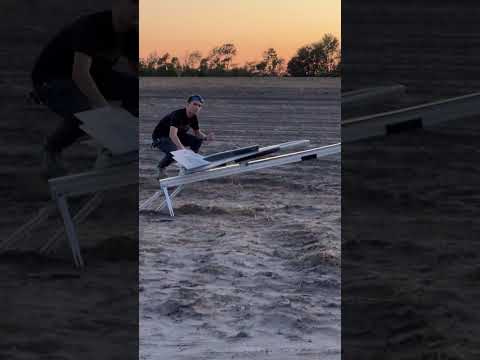 Flight video
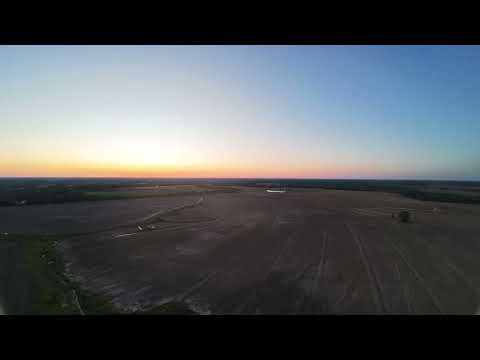 Landing
05Vehicle telemetry
The vehicle as flown — thrust, mass, throttle, stability, and endurance. Throttle is the number with the most headroom: 370 mph came at about 70%.
06Program timeline
The whole build, in sequence — from the first sketch to launch day.
07What’s next
Reaper’s record-breaking flight is planned in the Mojave Desert soon. With roughly 130 mph of margin still on the table at 70% throttle, the goal is a clean run past 500 mph — and, if the airframe holds, the fastest RC flight on record.
08Crew & sponsors
Built with hardware and support from:
Huge thanks to Igor Mataitis, Luca Peluffo, and Rodrigo Athanazio for helping with testing.